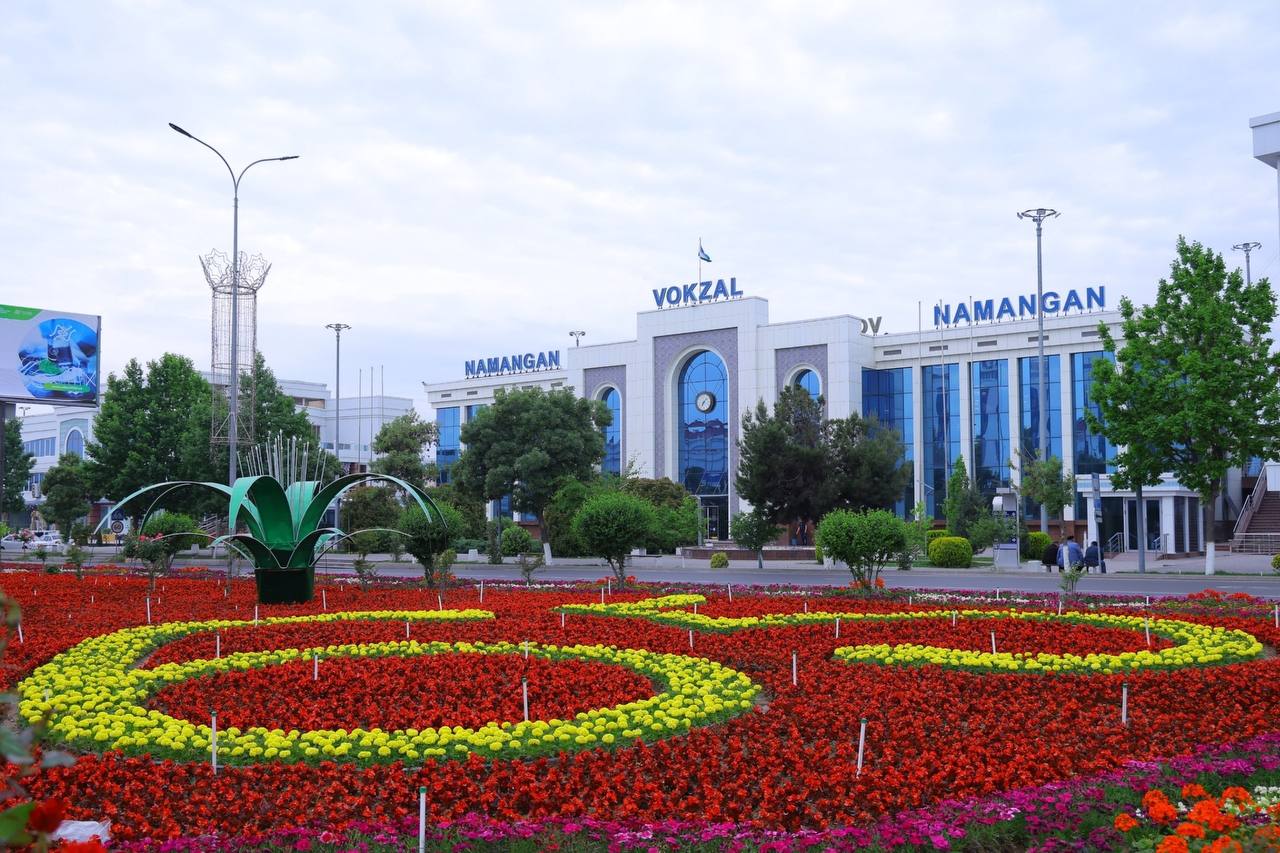
NAMANGAN UZBEKISTAN'S RISING STAR
It is the meeting point of two different routes on the historic Silk Road. In the middle of summer, it is the convergence area of two great rivers formed by the melting snow from the towering mountains behind the city, merging and becoming one river, giving life to the valley for 200 km—this place is Namangan.
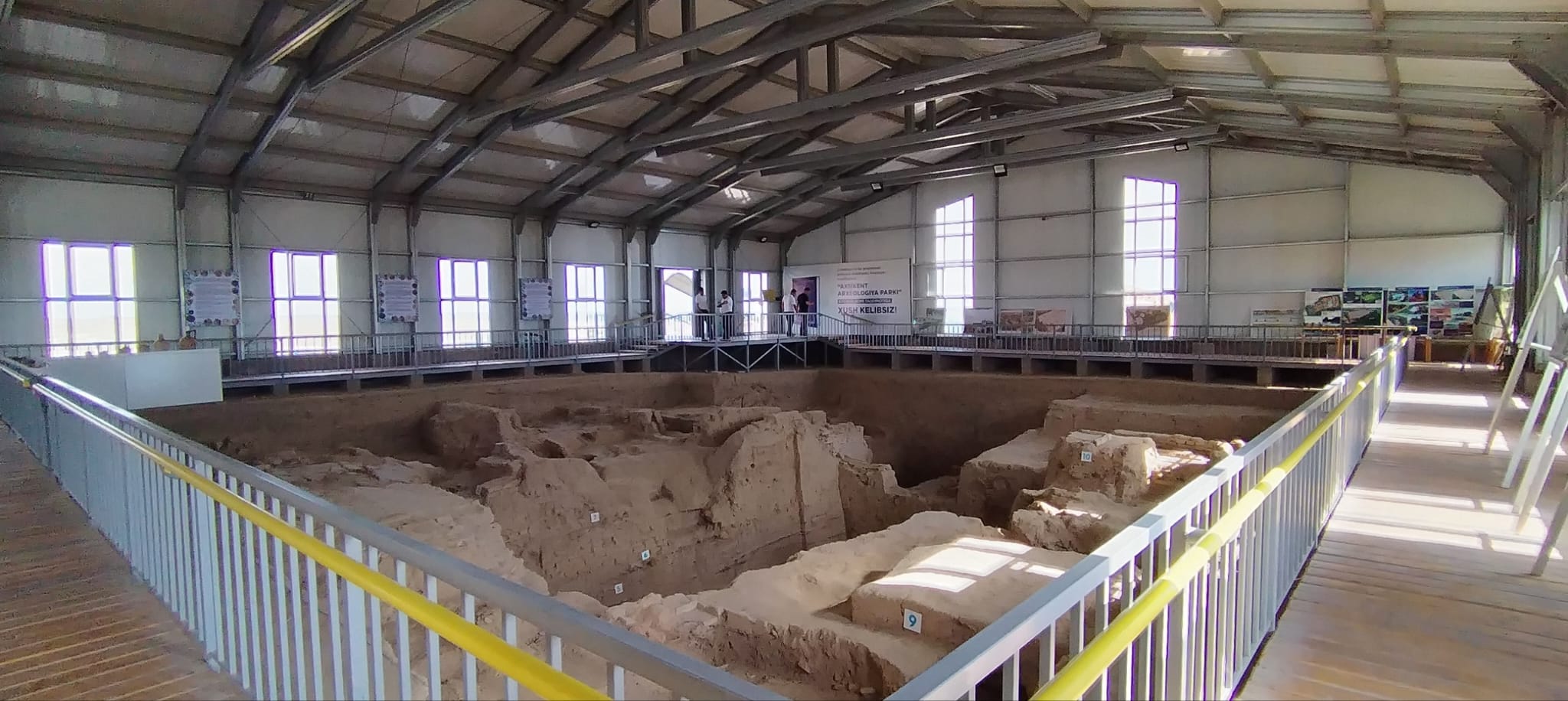
It is the modern continuation of an ancient civilization where the remains of
3,000-year-old Aksi City are being unearthed layer by layer.
It is
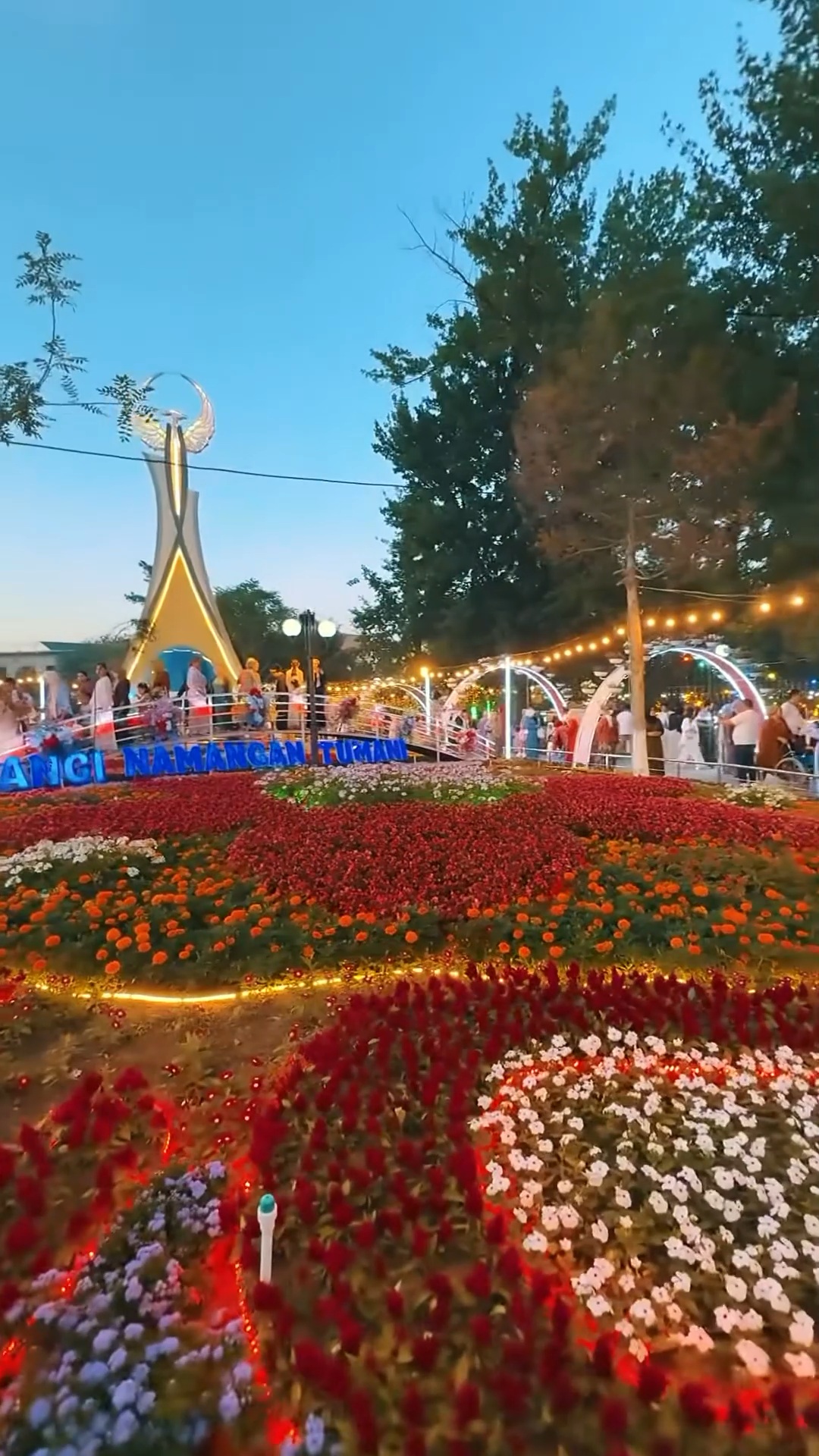
the venue of the Rose Festival, which is being celebrated for the 65th time
this year. Fertile lands named after salt mines.
Every year it becomes more vibrant and more organized. From ages 7 to 77, the entire population participates; it is perhaps one of the most constructive and collaborative festivals in the world, where aesthetics, knowledge, taste, and experience come together.
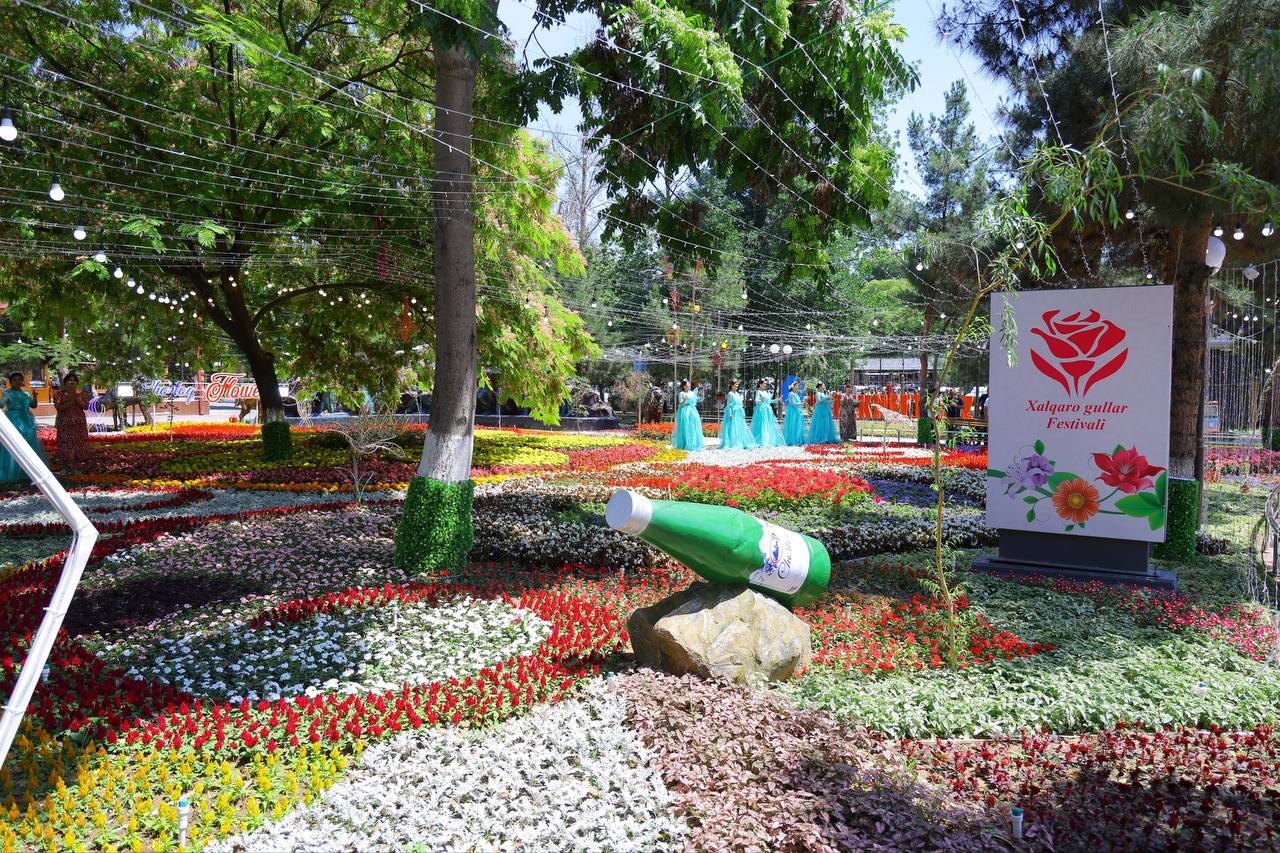
Do not be misled by the name “Rose Festival.” It is not only about the flower we call a rose. Here, all flowers are collectively called “rose.” In this “rose,” there is unity, meeting, reunion, and embrace. It is a festival that brings together flowers of different colors, scents, and appearances, eliminating differences and uniting them in the “rose.”
It embraces not only rivers and roads but also neighboring border communities in the region. Last year, 1 million foreign visitors came over two months, while this year that number was reached in just three days.
One of the main reasons for this is the concerts held in at least four different locations throughout the day. Another reason is the innovations introduced every year. Renewing, improving, and diversifying each year requires great skill and success.
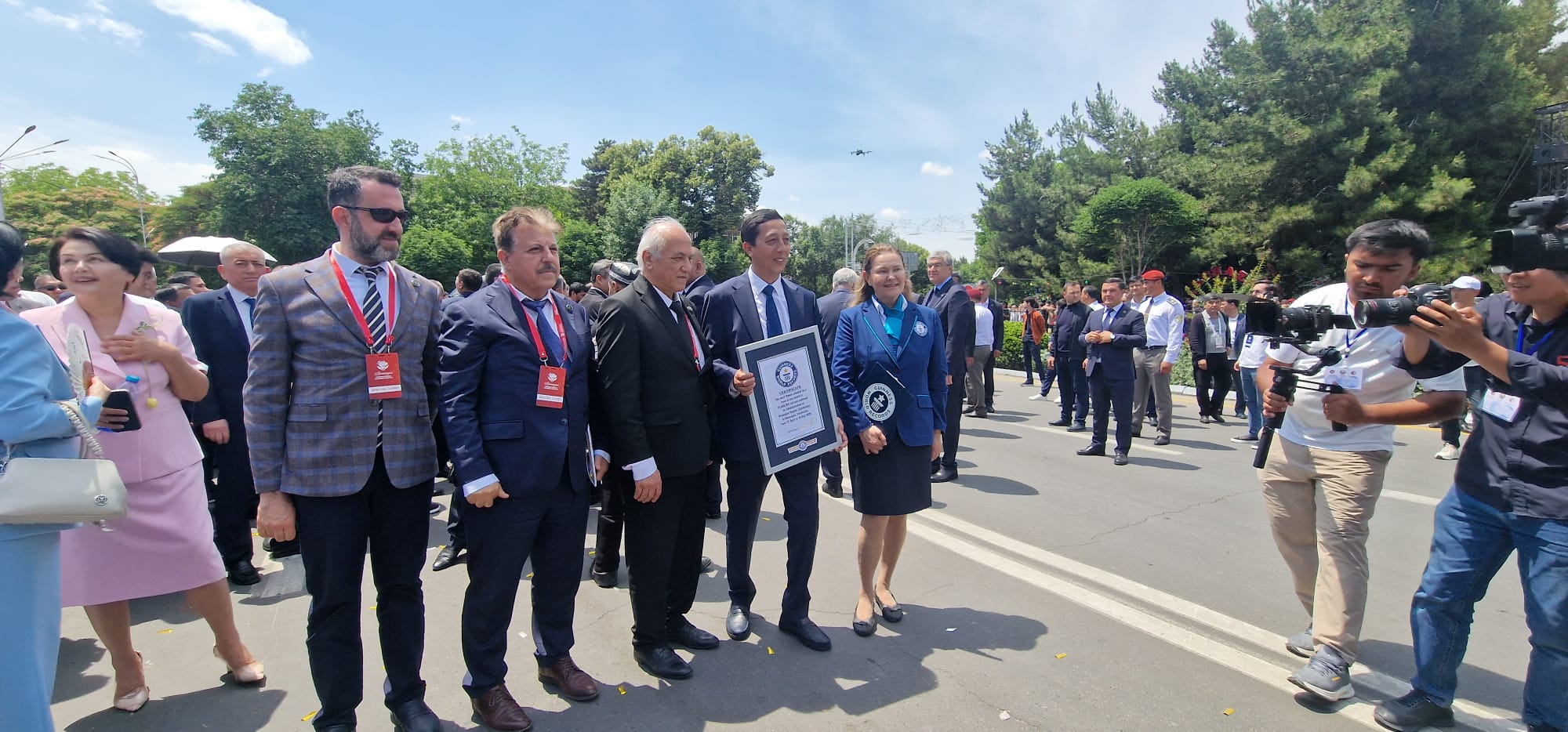
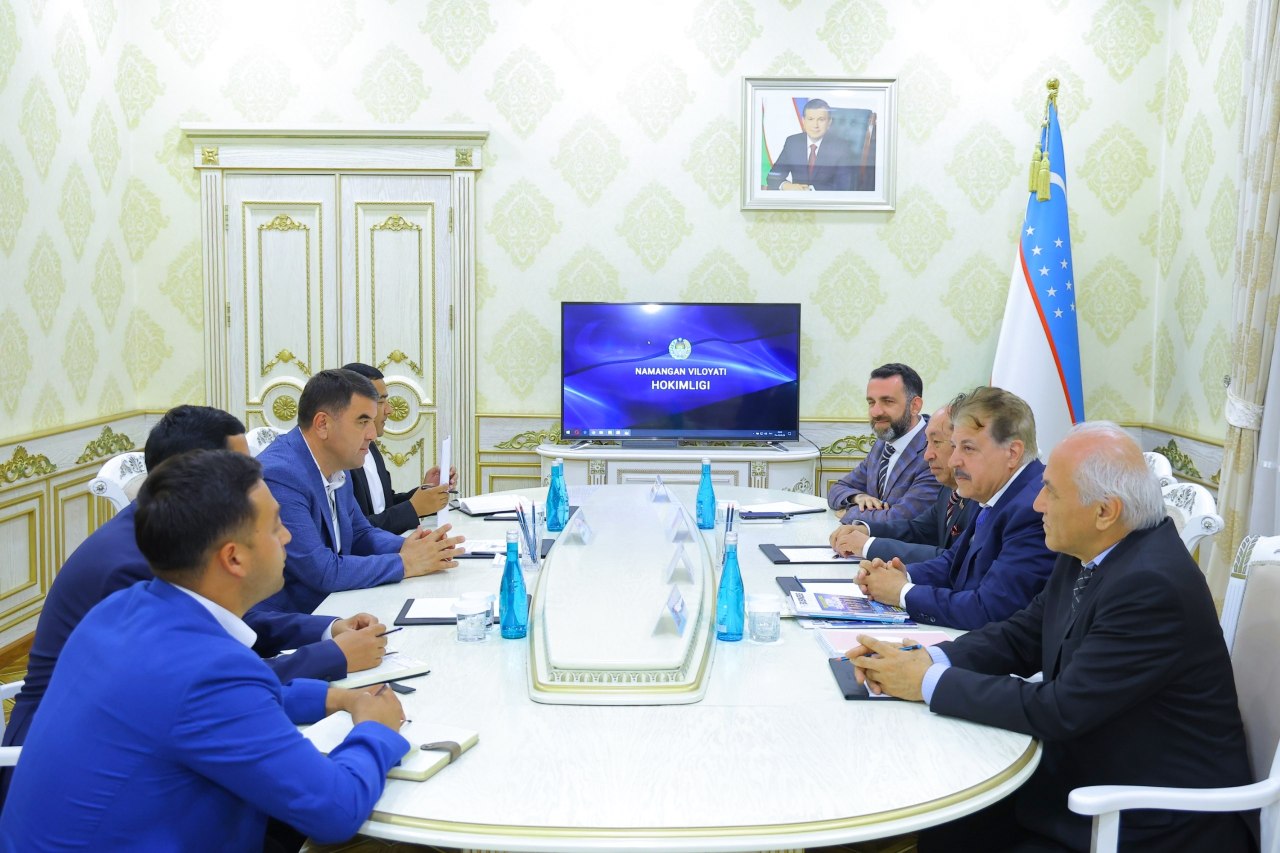
This year, one of the main themes of the festival was a Guinness World Record under the title “Most Flowers Planted in One Month.” The previous record of 1 million was officially recorded at approximately 35 million in Namangan this year. It was truly a challenging process. First, the area was registered. Flowers brought in were counted, planted with video recording, and documented every four hours by teams. A team could work a maximum of 8 hours. In the evening, all records collected from teams were signed and sent daily to the Guinness headquarters. It was approved daily and continued the next day in the same way.
It was truly a tiring and demanding process.
At the opening ceremony, the Guinness certificate presentation made everyone, including the public and teams, extremely happy. A lot of effort was put in, and success was achieved in the end.
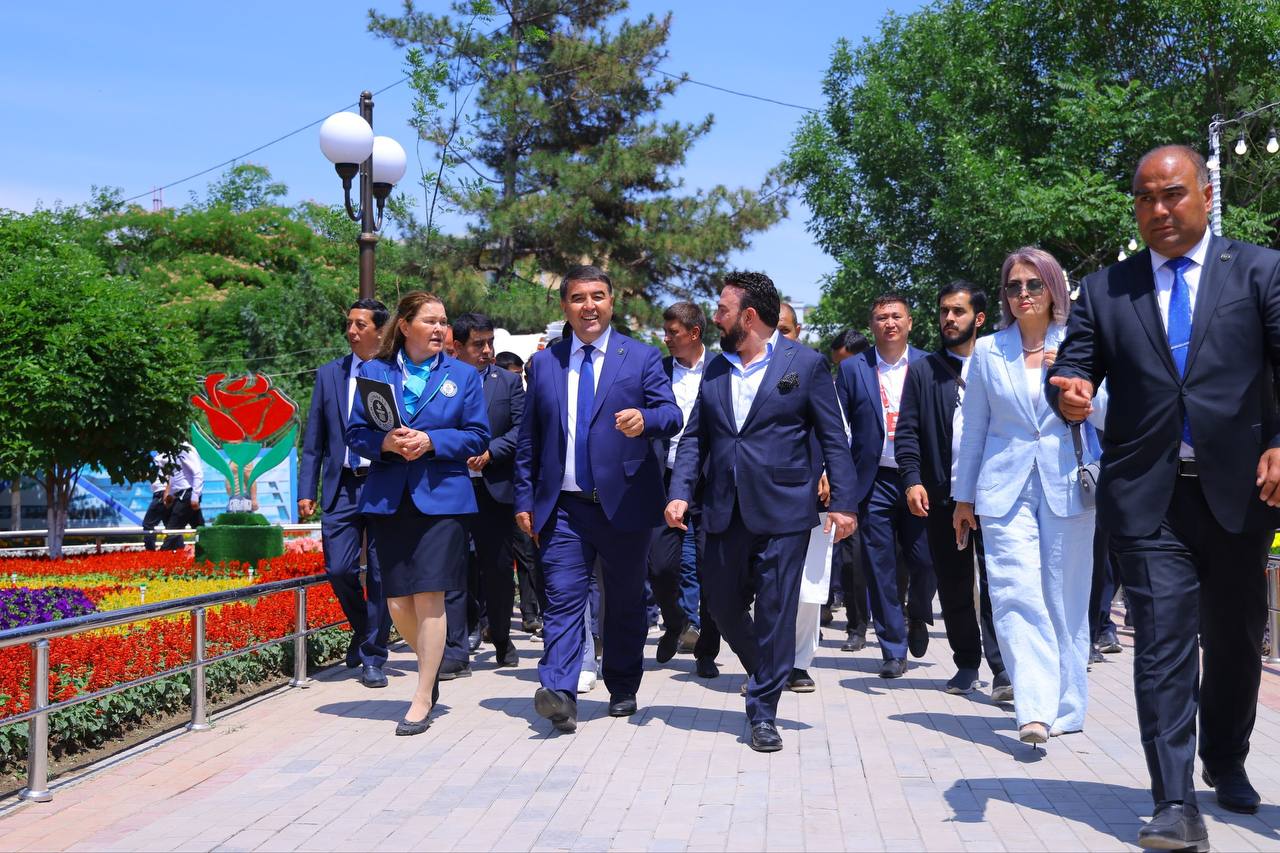
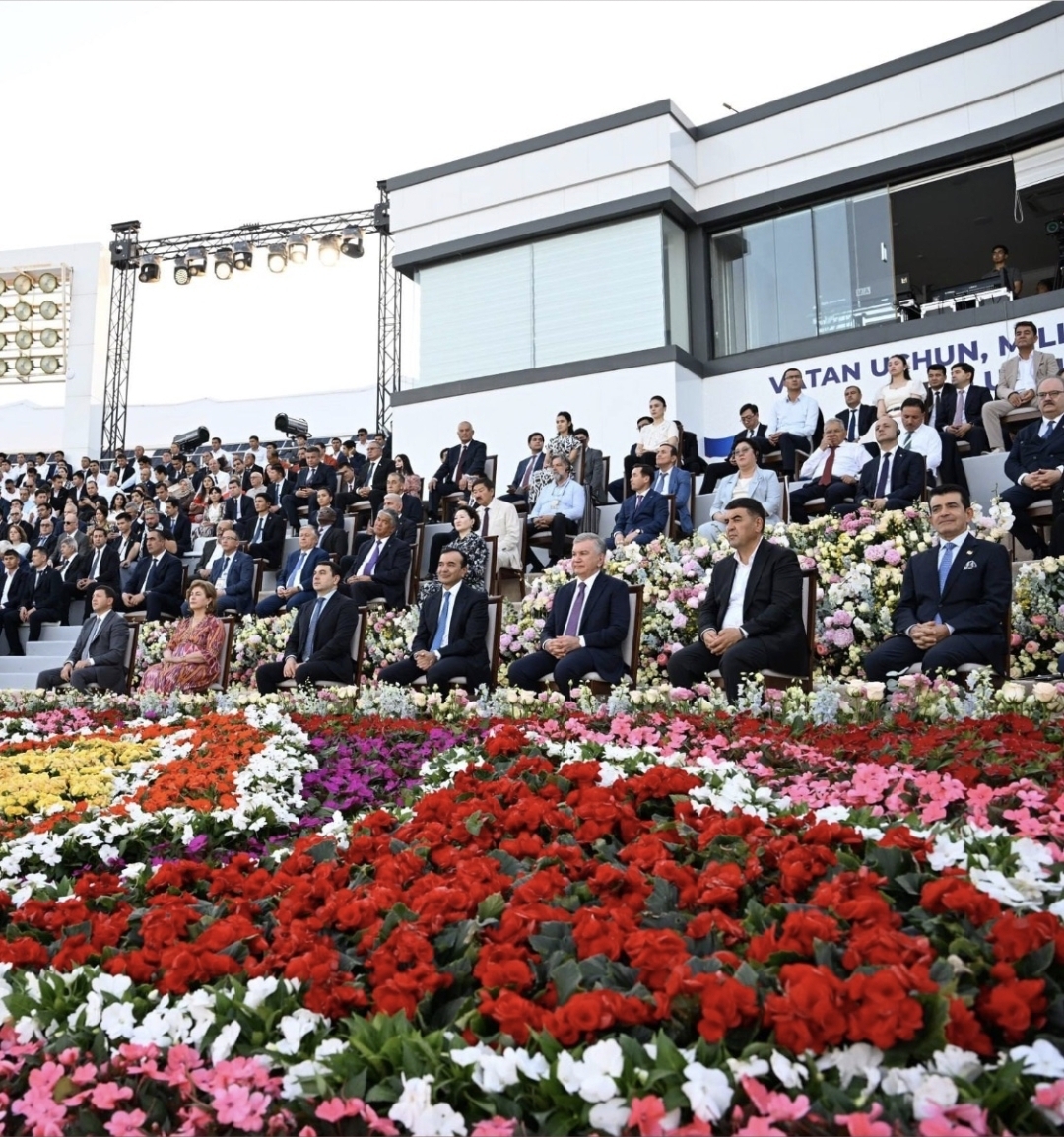
Representatives from 25 countries took their places in the protocol area at the opening program.
Vehicles decorated with flowers, successful young athletes wearing their medals, were bringing hope for the future. Young musicians performed with harmony that could rival professionals, offering a performance worth watching and listening to. The large replica of the Guinness certificate being carried by a truck received great applause. Young girls dressed in yellow, purple, lilac, and red, all flower-like in appearance, walked gracefully in the parade. As they danced while walking, they resembled flowers swaying in a gentle breeze.
This year, a total of 150 million flowers were planted in Namangan. There was no empty space left in the city. At that moment, rainbow colors appeared around the sun. It was as if the sun itself had joined the festival excitement, and both earth and sky had bloomed with flowers.
Flowers are the medium of love, emotions, unspoken mysteries, excitement, and the heartbeat of the heart.
It is the expression of the joyful spirit of the Uzbek Turks in this harsh and difficult geography filled with delicate, warm-hearted people.
Another characteristic of the people in this region is music and rhythm. They know very well how to smile and synchronize their movements with music. Wherever music starts, people gather and join in with rhythm or dance. It is truly beautiful and admirable.
Even though their hair is braided, the young girls with hair reaching their waists glide through the streets like swans—a visual spectacle.
Throughout Uzbekistan, the roads are very wide, well-maintained, and clean. There are large parks and gardens in between, similar to groves. I think there should be different themed parks within these large parks; otherwise, it is almost impossible to find someone you arranged to meet there.
In the most central part of this area is BABUR PARK. It is a park worthy of the greatness and dignity of Babur Shah. When naming historical figures after settlements, parks, or transport systems, their grandeur should be reflected appropriately.
After the opening, everyone in the protocol was invited to dinner. Seating was pre-arranged, and everything was under control. Most of the performing musical groups repeated their stage performances indoors.
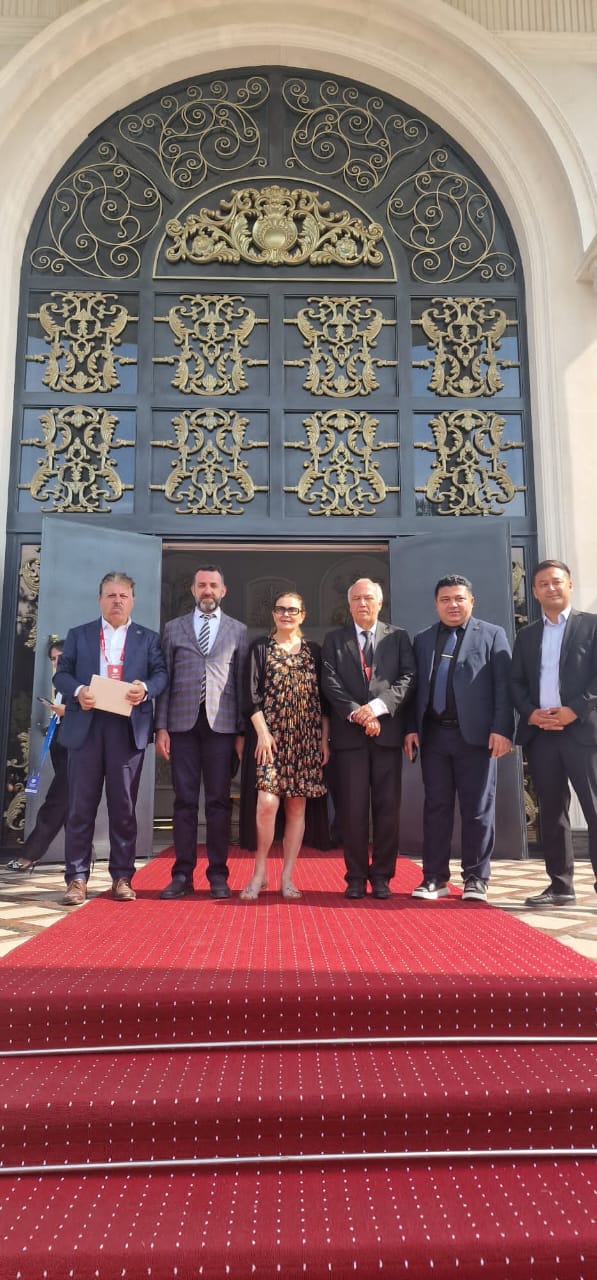
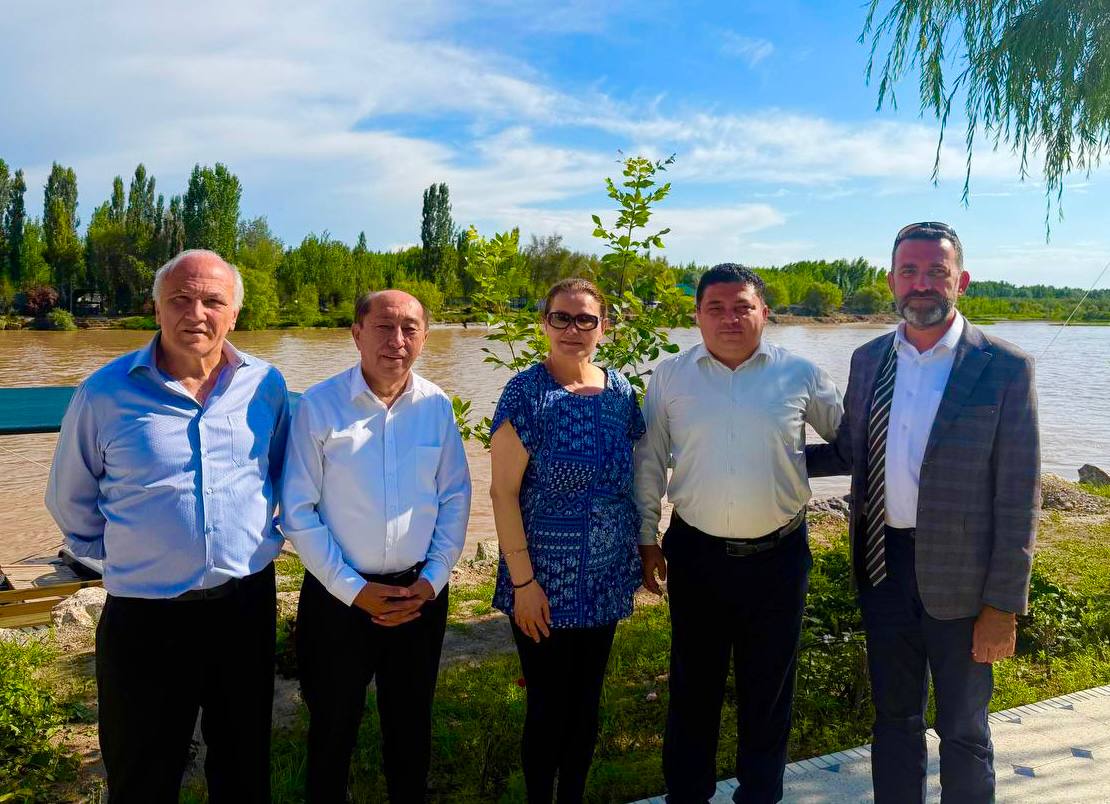
Guests were generally seated with others from their own countries. There were four of us from Türkiye. The Chairman of the Turkish Investment Agency TIG, Mr. Hayreddin Turan; his deputy, my dear friend Selim Arvas; Guinness representative Ms. Şeyda Subaşı Gemici; the famous Kyrgyz writer whose works have been translated into 16 languages, Begijon Ahmedov; Oksana Hanım, assigned from the Ministry of Tourism to guide and accompany us throughout the trip; and Namangan Tourism Office Director Otabek Rasulov and his staff were at our table.
Our dear Otabek carried out very coordinated work before and after the trip preparations. There were large groups from Japan, Korea, India, and China—some groups occupying two or three tables. There was no empty space on the tables. Everything from nuts, drinks, salads, appetizers, fruits, and meat dishes was laid out. It was impossible to find empty space on the table. Meanwhile, waiters constantly brought more food. Horse meat was interesting; it makes a person feel refreshed, as if fatigue disappears after eating it. Horses used for meat are specially bred. Despite a very intense and tiring day, it was a very beautiful day.
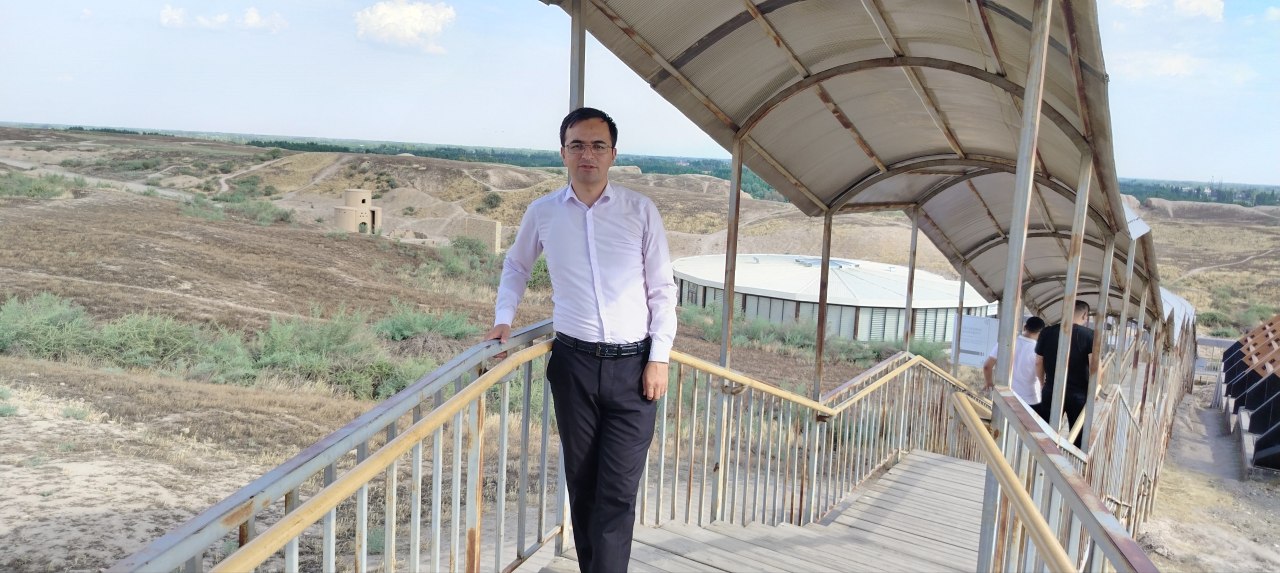
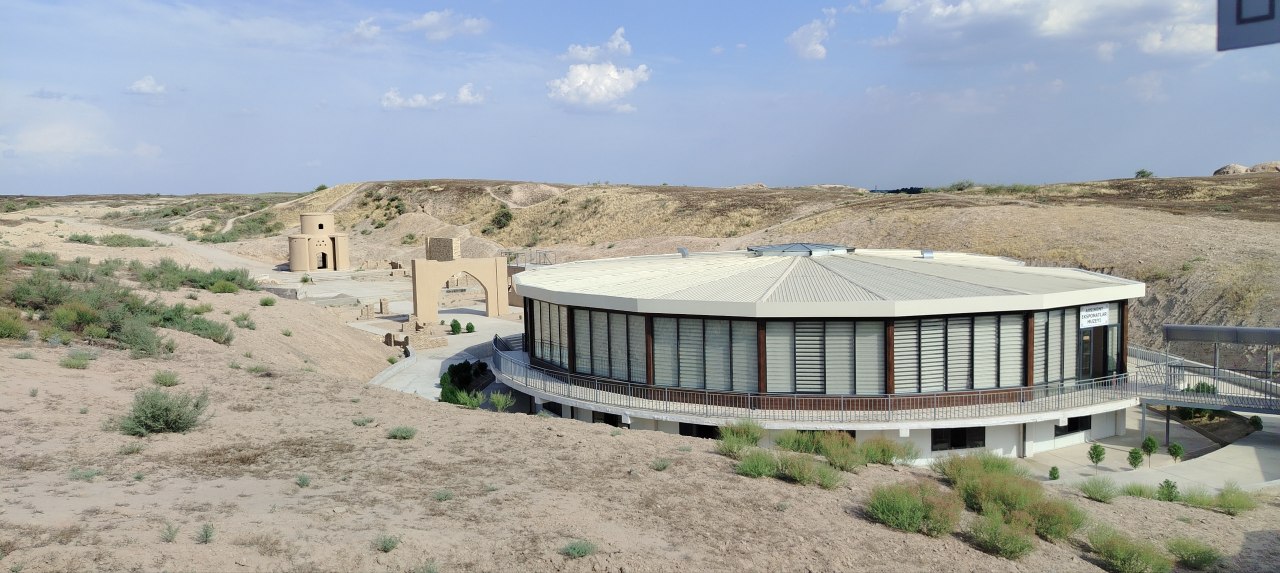
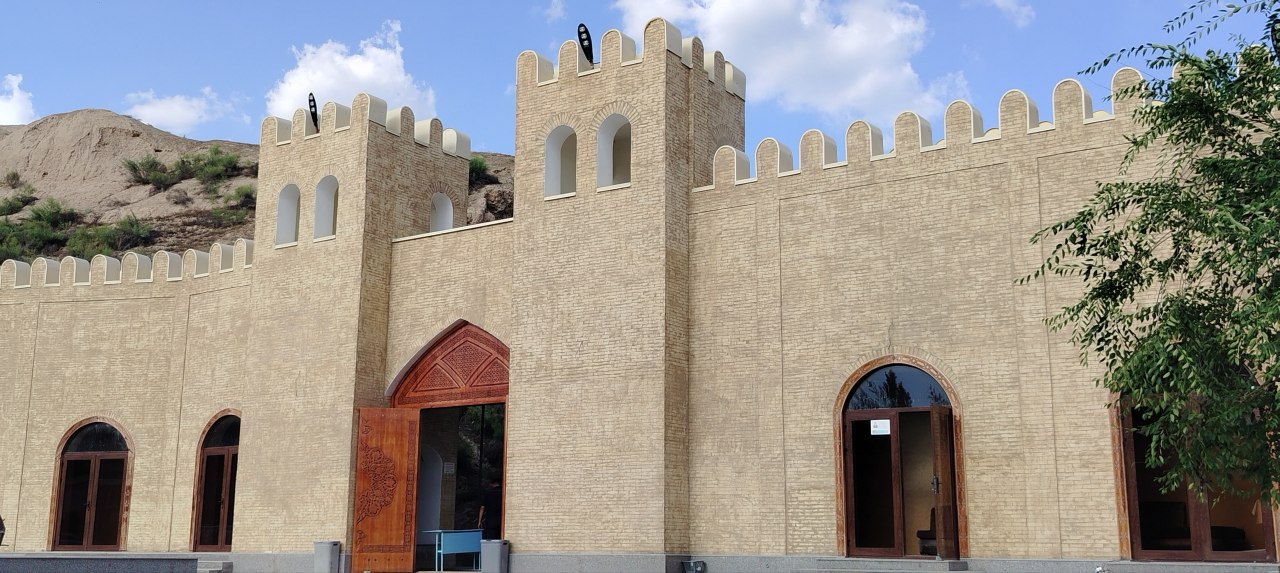
The next day was again very busy: visits to the Namangan Ancient City archaeological park and excavation site. At the head of the Ancient City museum and excavation site is Anvar Ikrom, who also manages press and social media platforms. My “little atom”—a tireless man working 18 hours a day. Together, we carried out many recordings for Uzbekistan State Television in Türkiye. A very cheerful and harmonious person.
After the trip, meals were inevitable. They place great importance on spending time with colleagues and friends. In Uzbekistan, dining by the river is an excuse for conversation by a roaring river. Cultural and artistic conversations with the famous Kyrgyz writer were very enjoyable.
One of the characteristics of the Uzbek people—and perhaps throughout Turkestan—is that at any time of day, everyone greets and responds to greetings. After meals, or even after having tea and a small dessert in a tea house, the oldest or most knowledgeable person present prays for the health and happiness of the state of Uzbekistan, its flag, its president, and the people. Then everyone says “amen” and lowers their hands. It is a beautiful tradition; no one leaves the table without a prayer of gratitude.
The next day we visited industrial zones in Namangan. We met with factory workers and business owners. It is a very successful and rapidly developing industrial sector. A star is rising in Turkestan—Namangan.
When speaking of Uzbekistan, cities like Tashkent, Samarkand, Bukhara, and Khiva come to mind—centers of science, education, art, trade, and craftsmanship. The Fergana Valley is a symbol of agriculture and abundance, home to silk production, woodworking, and skilled iron craftsmanship. Namangan is the land of strong, determined, cheerful, and hospitable people.
Speaking of Namangan, one cannot forget its delicious and fragrant fruits. Unfortunately, in our country fruits and vegetables sometimes look like 3D-printed plastic versions—poor imitations. In Namangan, even dried fruits are fragrant and delicious.
Days pass quickly. We held meetings and consultations with the Governor of Namangan Region, Mr. Şavkat Abdurazakov; Deputy Governor Mr. Botir Nitrinov; and the Head of Trade, Investment and International Relations Department, Mr. Okibjon Inamov, responsible for investments. We received information for future projects and cooperation.
The meetings focused on trade, economy, investment, tourism, and culture.
Mr. Hayreddin Turan spoke about TIG, which brings together dozens of companies operating in industry, construction, tourism, and high technology, as well as associations connecting major companies from Türkiye, the Gulf countries, and Africa.
Mr. Selim Arvas said: “We visited several small industrial zones in Namangan. We were convinced that producers have high potential.”
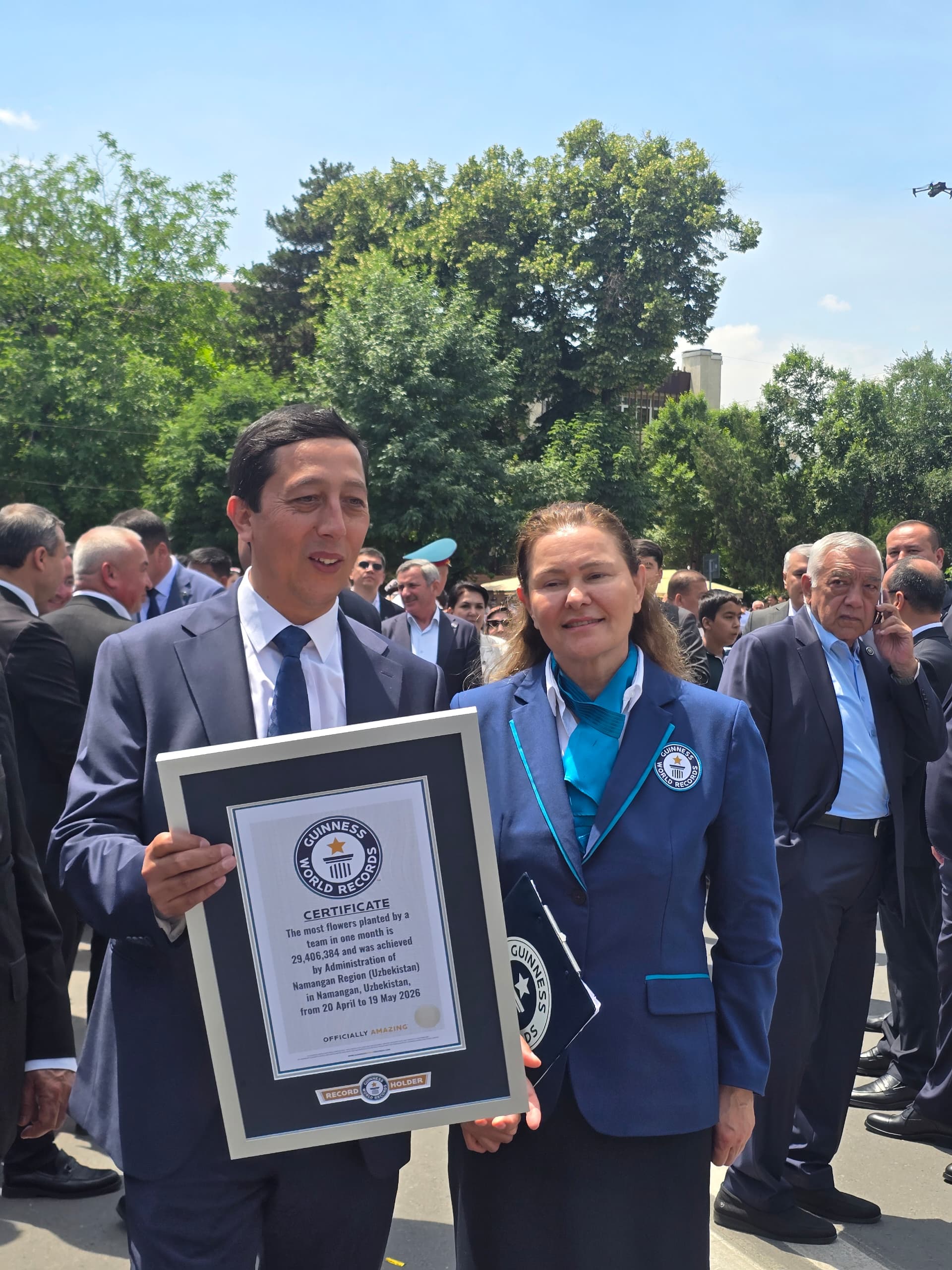
The regional governor emphasized that there are many common areas for cooperation and expressed full support for collaboration. Significant progress was made in every aspect. Projects, future plans, and special investment opportunities were discussed.
Namangan has great capacity. This will gradually emerge. People will discover Namangan. It will become a major regional and global power center. People ask: “Is it like Dubai or Doha?” No—it is different. Their human capital and historical background are not like Uzbekistan’s. The people here have a deep historical heritage and civilizations that once ruled the world. This is something else—a deeper strength rooted in history.
They are the heirs of figures such as Emir Timur, Babur Shah, Ali Kushchi, Hoca Ahmet Yesevi, Imam Maturidi, and Imam Bukhari. Another advantage of Uzbekistan is the President, Mr. Shavkat Mirziyoyev, and his investment in education and people. With strategic reforms and steps taken, Uzbekistan has begun to make its mark in every field globally.
Even from the outside, this is clearly visible.
My friend Cihangir, who came shopping with me, is a university lecturer with excellent English, fluent Arabic, French, Istanbul Turkish, and Persian poetry. There are many such well-educated people around us. A young worker in textiles speaks English with an Oxford accent; Deputy Governor Botir enjoys speaking Japanese with me; another friend from the ministry speaks Malay. Yet all of them are extremely humble and kind.
They work day and night to develop their country—often standing 12–14 hours a day, sometimes sleeping at 2 a.m. and continuing at 8 a.m.
This country will grow and develop greatly. It will rise on the shoulders of knowledgeable, empathetic people who understand human values. A new star is rising from the fertile lands of Turkestan: Namangan.
On the way back, we will travel from Namangan to Tashkent via Fergana Airport, about two hours away, and then fly to Istanbul with Turkish Airlines. Although Fergana is not a very large settlement, it is the city where an automobile factory was established. Recently, with the participation of President Mirziyoyev, a complex with restaurants, parks, gardens, places of worship, and water and light shows was opened. There are hundreds of shops, though not all are open yet. Families, children, and young people are all enjoying this place. The buildings, entirely turquoise and decorated with beautiful tiles and fine wood craftsmanship, look as if they have emerged from history itself, reflecting the spirit of Uzbekistan.
As we approached our return journey to the airport, we bought Uzbek breads—each a work of art—to share with our families and loved ones.
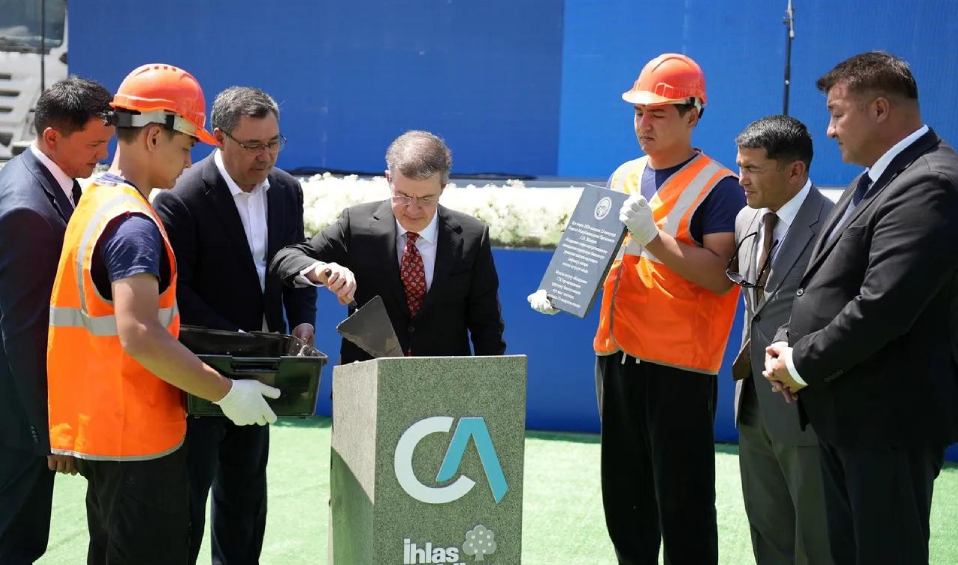
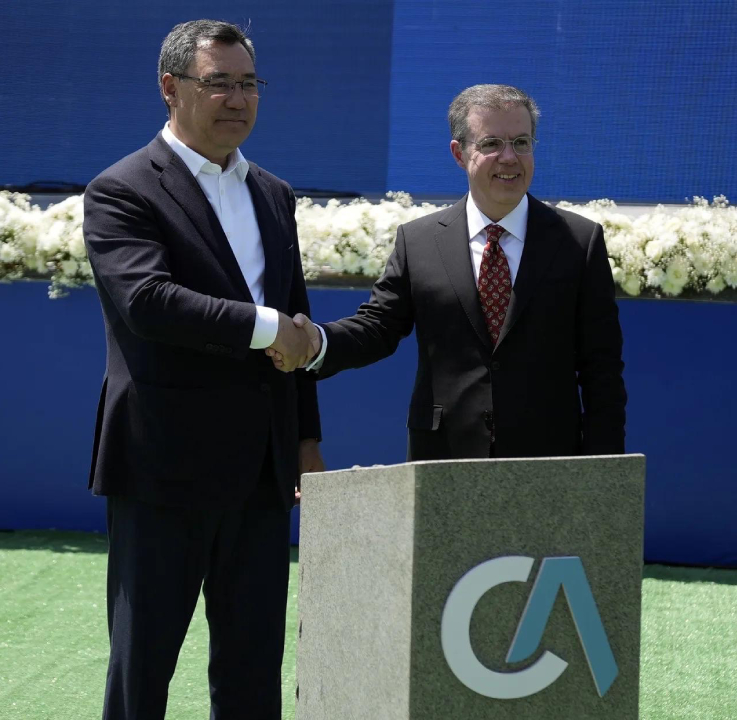
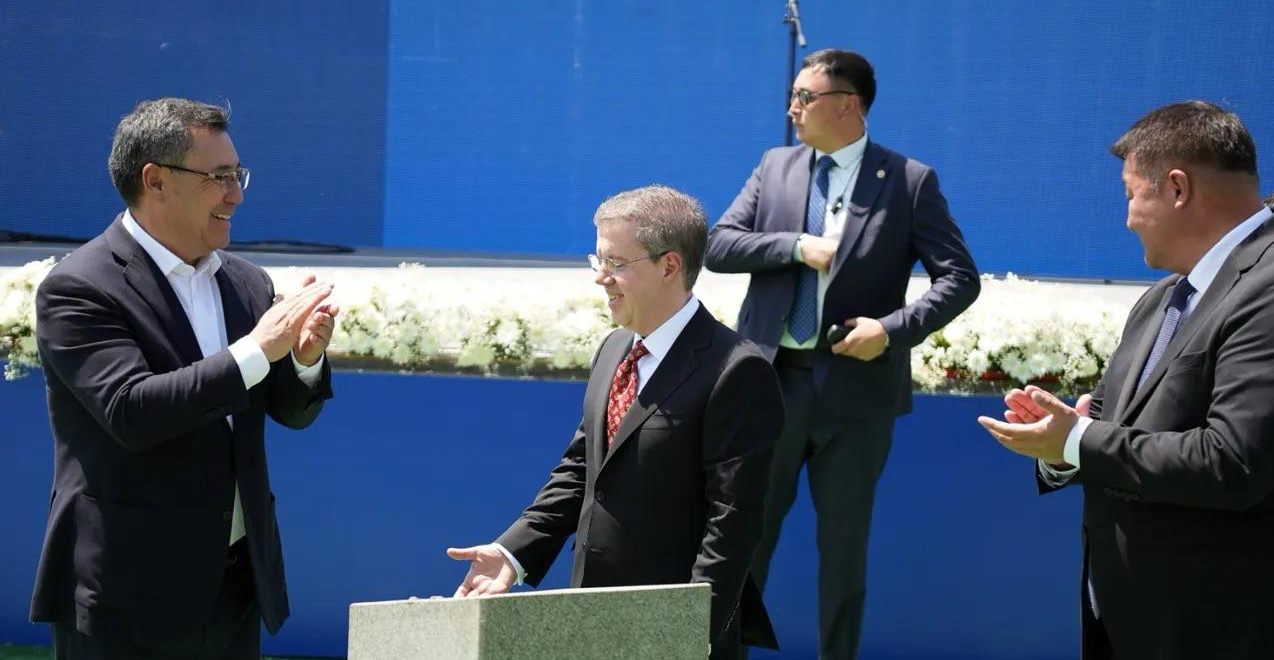
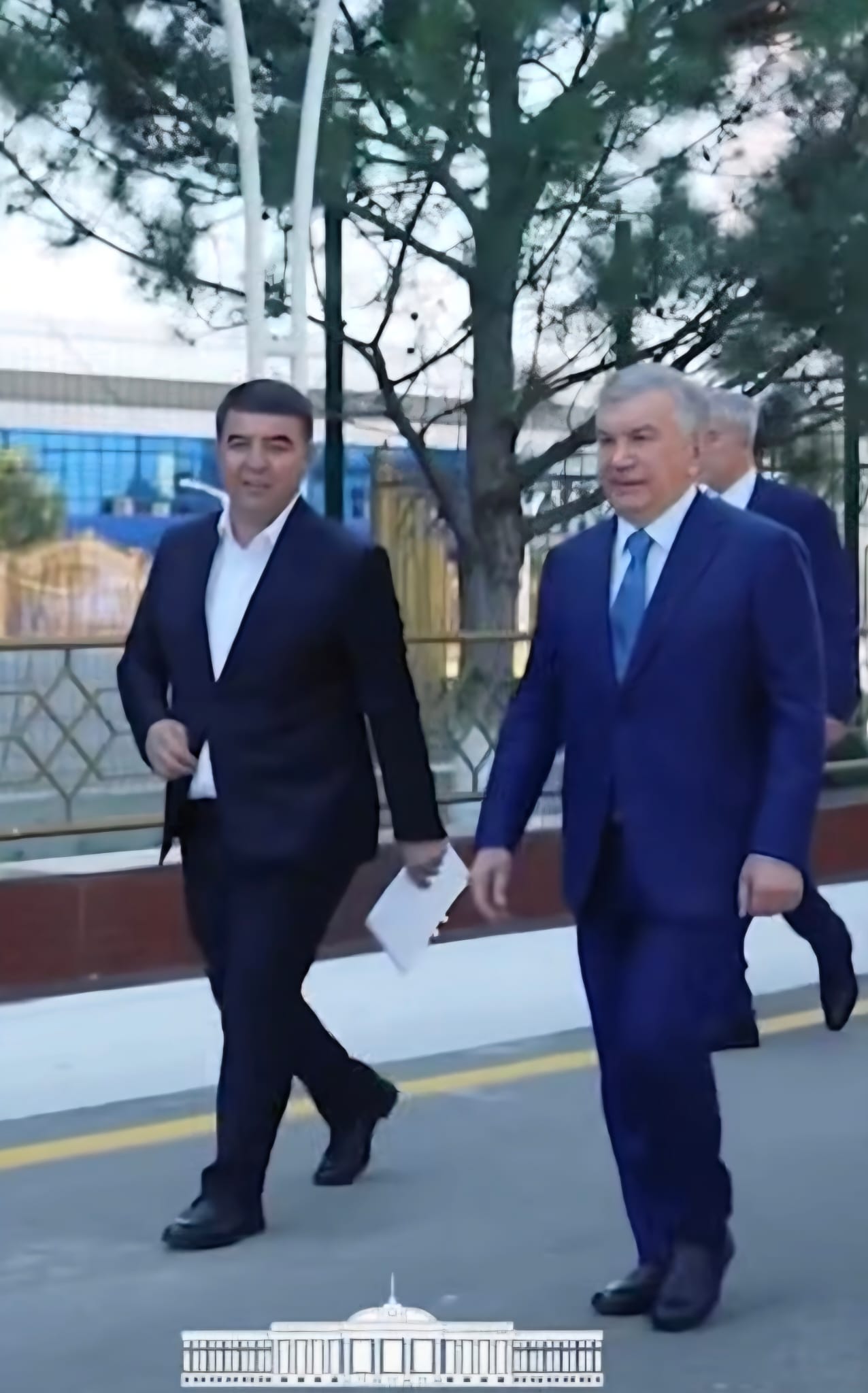
Before the official opening of Andijan as the Cultural Capital of the Organization of Turkic States, President Mr. Mirziyoyev visited Namangan. He was welcomed by Governor Mr. Şavkat Abdurazakov at the airport. He inspected ongoing projects, visited industrial and agricultural facilities, and attended several groundbreaking and opening ceremonies.
The people resemble the flag of Uzbekistan:
At the top, blue like the sky—our “celestial dome.” In the middle, white like the cotton heart of the Uzbek people, also one of the world’s top five cotton producers. At the bottom, green like fertile land. Red lines around it symbolize iron-like strong character. The crescent and stars represent the faith that lights our nights.
In short, Uzbekistan is the name of beauty, abundance, flavor, science, art, wealth, and the future.